Easy-clean patio layouts with resin furniture
A patio that is easy to clean is rarely the result of one clever product. It comes from the way chairs, tables, benches and lounges sit in the space, how much room they leave for movement, and how quickly water, dust and leaves can leave the surface. Durable resin furniture can fit well into that kind of layout because many resin pieces are designed for outdoor use, with surfaces that can be wiped, rinsed and returned to service without much fuss.
The main idea is simple: make room for cleaning before dirt becomes stubborn. A crowded patio traps leaves under chair legs, holds moisture where furniture meets the ground, and turns every rinse into a slow maneuver around fixed pieces. A layout with clear paths and sensible spacing gives water somewhere to go and gives the person cleaning a clear route around the seating.
Start with the cleaning route, not the furniture
Before arranging anything, look at the patio as a surface that needs regular care. Note where rainwater runs, where downspouts discharge, where soil splashes from planting beds, and where shade keeps moisture longer. These details matter more than the visual style of the arrangement. A chair placed in a damp corner may look tidy for a week, then develop grime along the legs and around the feet.
A good layout leaves a workable gap between seating groups and fixed edges such as walls, planters and railings. That gap lets a broom, cloth or hose reach the obvious trouble spots. It also makes it possible to lift a chair out, rinse underneath and put it back without moving the whole setting. If the patio is small, fewer pieces with more space between them usually clean faster than a full set packed tightly together.
Think in zones. A dining set needs a clear tabletop and open chair access. A lounge area can tolerate a softer arrangement, but it still needs paths for sweeping. A bench along a wall should not press so close that leaves collect behind it. Commercial patios have the same basic need, with heavier traffic making clear routes even more useful.
Why resin surfaces suit an easy-clean plan
Resin outdoor furniture is often chosen where regular exposure to rain, sun and outdoor dust is expected. Depending on the piece, resin can resist rust, does not need painting in the way timber might, and can be cleaned with a straightforward routine. That makes it practical for patios where furniture stays outside for much of the season.
Material durability is not the same as being maintenance free. Dirt still settles in crevices, pollen still marks arms and slats, and organic debris can stain if it sits in one place after rain. The benefit is that a resin chair or table usually gives the cleaner a stable, nonporous surface to work with. A quick wipe can remove much of the residue before it becomes embedded.
UV stability also matters over time. Sun exposure can affect colour and surface finish on many outdoor materials. Rotating chairs in a seating group now and then can even out sun exposure, especially where one side of a patio receives stronger light. This is a layout decision as much as a care habit, because furniture that can be moved without a struggle is more likely to be turned.
Spacing that prevents grime build-up
Leave enough room between chairs for a hand to pass and for a cloth to reach the seat edges. If chairs are tucked tightly under a dining table, the contact points can collect dust and moisture. Pulling them out slightly after use, where space allows, helps the seating dry and keeps the table apron easier to wipe. Cushions should be removed or propped so air can move beneath them, since trapped moisture encourages mildew on fabric and frames.
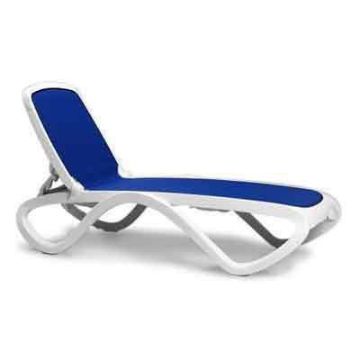
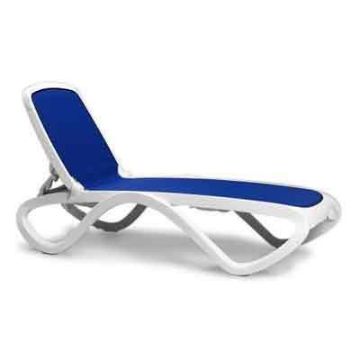
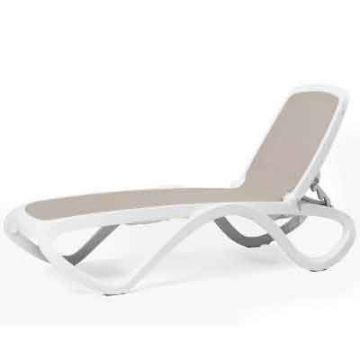
For chaise lounges, avoid lining them up with only a narrow gap between frames. A wider gap gives access to the adjusters, hinges and feet, where grit tends to collect. If lounges are stored together during poor weather, keep them dry first. Stacking damp pieces can hold moisture against the surface and slow drying.
Benches work best with a small clear strip behind them, even when the bench appears flush against a wall. That strip prevents a hidden band of debris and allows the back and seat junction to be cleaned. Tables should be positioned so the legs do not sit in planting soil or mulch. Gravel and mulch can splash onto feet during heavy rain, creating a repeating cleanup job.
Drainage and water behaviour
Water is one of the main forces working against a clean patio. It carries soil, pollen and leaves into low spots, then holds them there as it evaporates. Furniture layout can either help or hinder that process. Avoid placing solid table tops where water from a roof edge will repeatedly strike them. If a spot stays wet after rain, shift the piece or add a practical change to the surrounding surface rather than accepting a permanent cleaning problem.
Drainage holes on seating and table components are useful when present. They allow water to pass through instead of pooling. Keep those openings clear, especially after windy weather or after leaves have collected under a chair seat. A layout that allows easy access to the underside makes this simple check much more likely to happen.
Commercial settings benefit from even more attention here. Stackable chairs and movable tables can be arranged for service, then opened into a cleaning pattern at the end of the day. That pattern should leave aisles wide enough for safe movement and should avoid blocking drains. The goal is not a showroom arrangement at every moment, but a space that can change quickly from seating mode to cleaning mode.
Choosing pieces with cleaning in mind
When comparing resin furniture, pay attention to shape and joints as much as colour. Smooth surfaces with fewer tight corners are easier to wipe. Open frames allow water to pass and dry. Legs that can be reached without moving several other pieces make routine care less annoying. Stackable or lightweight designs can help in spaces that need frequent resetting.
Dining pieces deserve special attention because spills happen around them. A table with a simple rim and accessible legs is easier than one with deep decorative channels that collect residue. Chairs that can be pulled back without catching on neighbouring seats also make cleanup after meals more direct. Chaise lounges should have adjustable parts that can be wiped around, not hidden tracks packed with grit.
outdoor-resin-furniture.com is an online store offering resin outdoor furniture including chaise lounges, chairs, dining pieces, benches, swings, tables, and commercial patio furnishings, so the range of shapes and uses is broad. That variety makes layout planning useful, because a dining chair, a lounge and a bench all create different cleaning needs. Matching the piece to the way the patio is used can reduce repeated effort later.
A simple care rhythm that supports the layout
Easy-clean furniture still benefits from regular attention. A quick sweep removes grit before it is ground into feet and frames. A damp cloth handles marks on arms and tabletops. A gentle rinse after pollen season or heavy leaf fall can keep surfaces looking even. Harsh abrasive tools can scratch finishes, so a soft cloth or brush is usually the safer choice.
Protective storage can also shape the arrangement. If cushions, small chairs or accessories are moved indoors or covered during bad weather, leave a clear route to the storage point. A patio that looks neat but requires moving three lounges to reach one cushion box is not practical. The best arrangement supports the whole routine, not just the first ten minutes of it.
Seasonal changes call for a second look at spacing. In warmer months, seating may be spread out for comfort. In wetter months, moving pieces closer to shelter or stacking them can reduce exposure. Where freeze thaw cycles are possible, furniture that can be cleared of standing water and stored or covered is usually easier to manage than pieces left in low, wet corners.
What this means for the reader
An easy-clean patio is built from ordinary decisions made in a deliberate order. Give the space clear routes, keep furniture off wet or muddy spots, leave access to undersides and joints, and choose pieces with surfaces that suit outdoor cleaning. Durable resin furniture fits this approach when the arrangement allows its practical qualities to be used.
The result is not a patio that never needs attention. It is a patio where attention takes less time. Leaves are easier to sweep, spills are easier to wipe, and water does not sit where people sit. For anyone choosing pieces from outdoor-resin-furniture.com, the useful question is not only which item looks right, but how easily that item will move, dry and clean within the space it will occupy.